
DONATE HERE
ABOUT
A short video presentation of the project is available here: https://youtu.be/n_SdlTR0h94
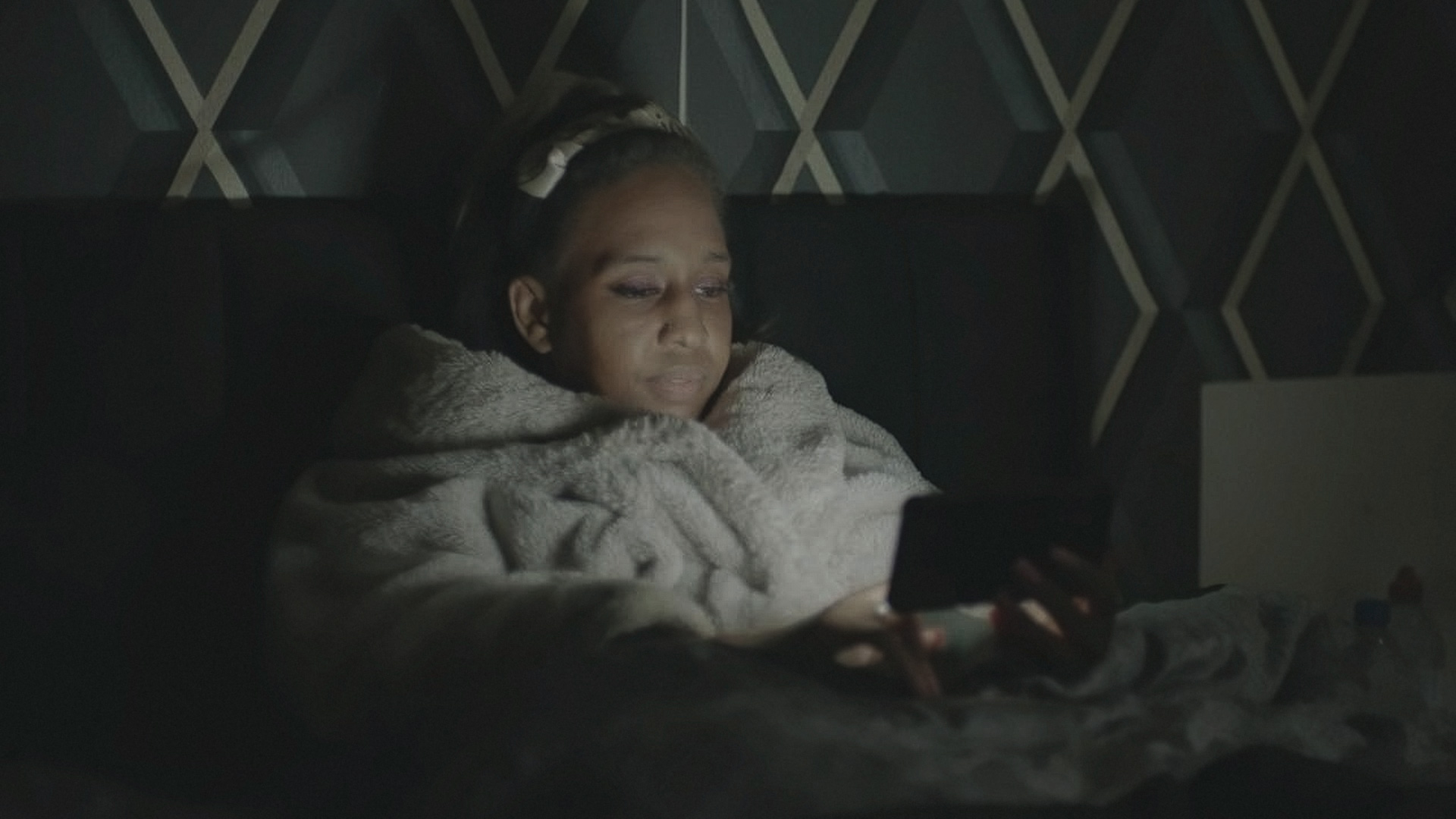
“Body/Memory” is an interactive immersive experience about breast cancer, identity, memory, and the transformative experience of illness.
The story follows Amanda, a woman in her late 20s, as she confronts a life-changing diagnosis and moves through fear, fragmentation, and isolation toward a renewed sense of freedom. In the experience, the user first inhabits Amanda’s younger, healthy self and interacts with her ailing counterpart, before gradually moving toward a deeper embodiment of Amanda’s present reality.
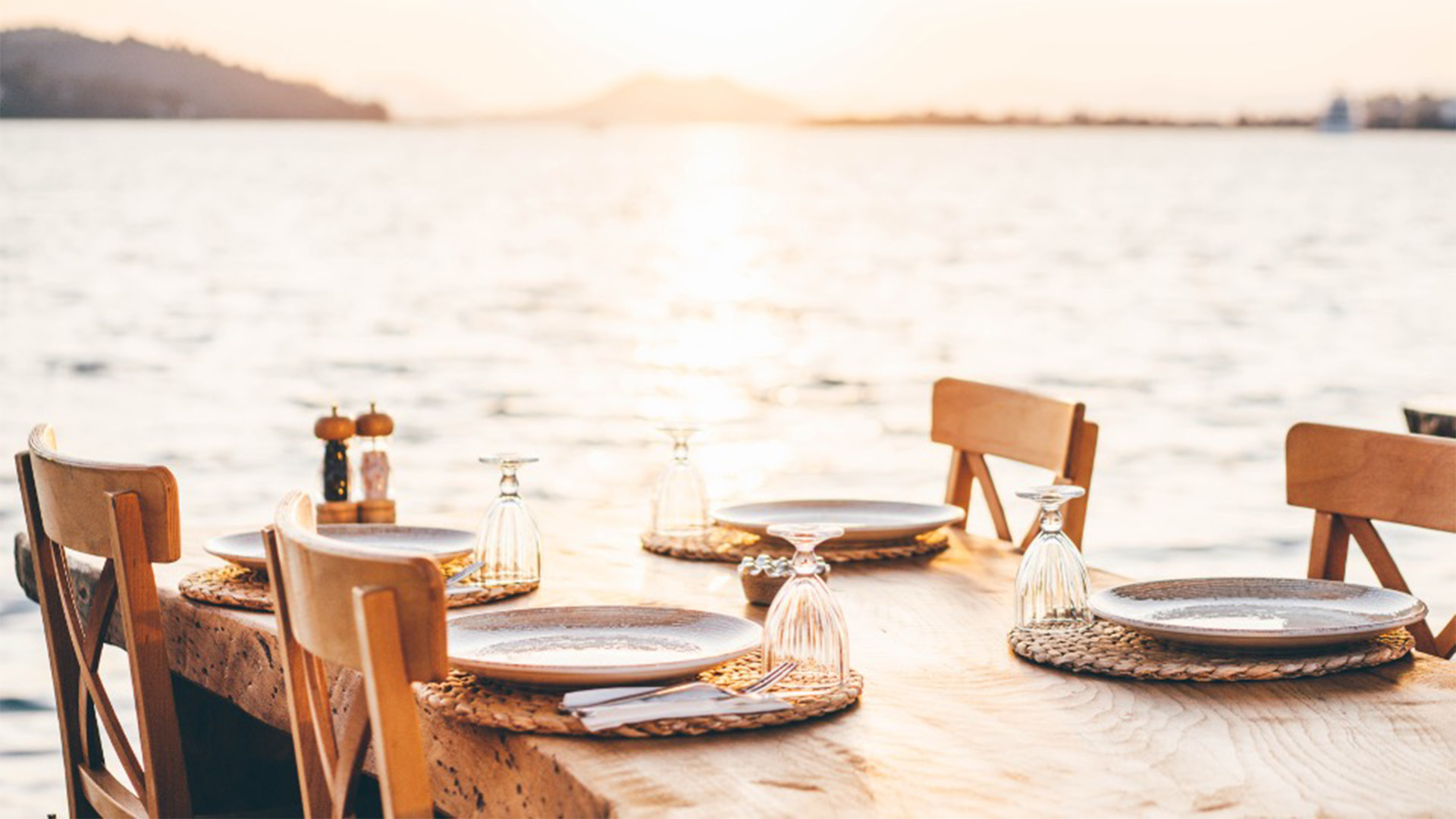
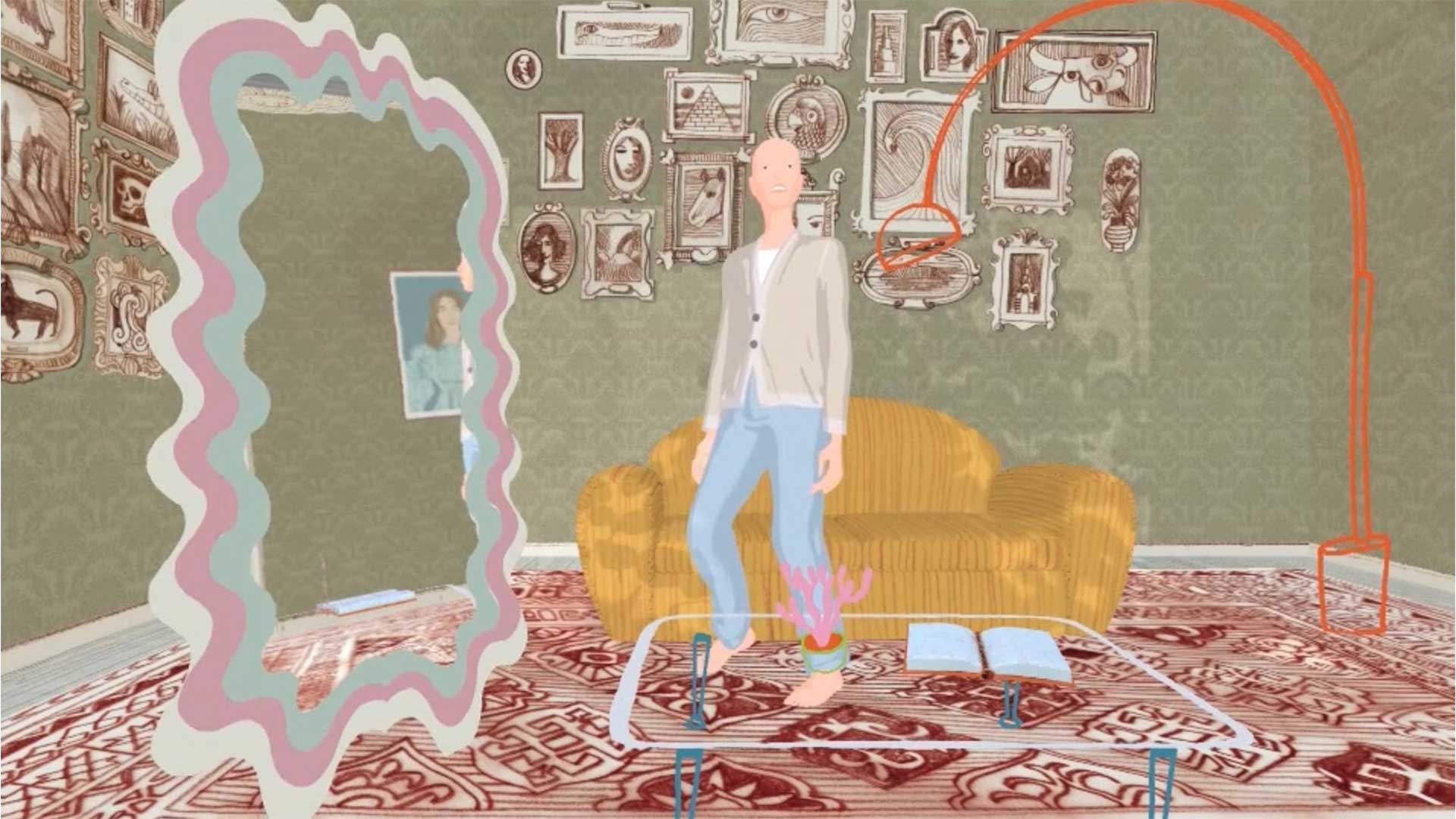
Set between Berlin, Hong Kong, London, and a surreal magical garden, the project combines intimate storytelling with animation. Its visual language is inspired by the work of illustrator Carlo Stanga, www.carlostanga.com, with black ink outlines, fluid color washes, and a palette that shifts from cold to warm tones as Amanda’s emotional journey evolves.
“Body/Memory” is supported by Venice Film Festival (La Biennale di Venezia) and Medienboard Berlin-Brandenburg, and will be distributed by Unframed Collection to major museums worldwide. In addition, with the support of organizations such as AIRC, we intend to promote the project among hospitals, cancer-care institutions, and partners working in cancer care, research, and advocacy.
FUNDRAISING GOAL AND DONOR TEIRS
We are raising 45,000 USD, the minimum amount required to develop the core interactive VR functionality and prepare the project for distribution. Any support, at any amount, is deeply appreciated and will bring us one step closer to reaching our goal. For any donations above 100 USD:
Supporter – 100 USD
Your name will appear in the project credits.
Special Supporter – 500 USD
Your name will appear in the project credits and on the project presentation website.
Sponsor – 1,000 USD
All of the above, plus a printed frame created from the project and based on the visual style of Carlo Stanga.
Senior Sponsor – 5,000 USD
All of the above, plus an original print by Carlo Stanga, www.carlostanga.com, and a mention in the press campaign.
Patron – 10,000 USD
All of the above, plus an official thank-you mention in the event that the project receives an award.
Executive Producer – 25,000 USD
All of the above, plus an Executive Producer credit and an original pencil drawing of your choice by Carlo Stanga.
Your support will help bring “Body/Memory” to life as an immersive artistic experience, a tool for empathy, and a poetic journey through illness, memory, and healing.